




How To Fix Surfactant Leaching On Painted Walls
Keeping surfactant leaching at bay

How To Fix Surfactant Leaching On Painted Walls
Painting a residential or commercial property can bring great rewards, but it can also be tricky business. Many freshly completed paint jobs have subsequently developed paint weeping. Also called surfactant leaching, this unfortunate syndrome can strike latex-painted interior and exterior walls. While paint weeping is unsightly and hard to fix, home and commercial property owners who follow these tips will be less likely to experience it.
Surfactant Leaching
What is it?
Most paints contain a variety of ingredients that may include pigments, surfactants, and binders. Surfactants are soap-like molecules that manufacturers add to paint to ensure proper performance. Paint surfactants help to separate and stabilize pigments, and they allow color additions to better blend with paint.
After workers apply paint, the surfactants inside the paint begin to naturally migrate towards the surface. Under normal circumstance, this migration is gradual and results in no visual or structural damages.
If painters apply coats in cool or high-humidity conditions, the surfactants may surface too quickly, leach completely out of the paint, and leave behind unsightly streaks.
Sometimes, surfactant weeping happens despite the best efforts of paint application personnel.
Surfactant Leaching
How to Fix It
The key is to take action as quickly as possible. If painters notice leaching within the first few days of initial paint application, they may be able to remove the marks with water hoses. Several minutes of oblique spraying with a high-pressure hose can mitigate the effects of leaching marks on lighter shades of paint.
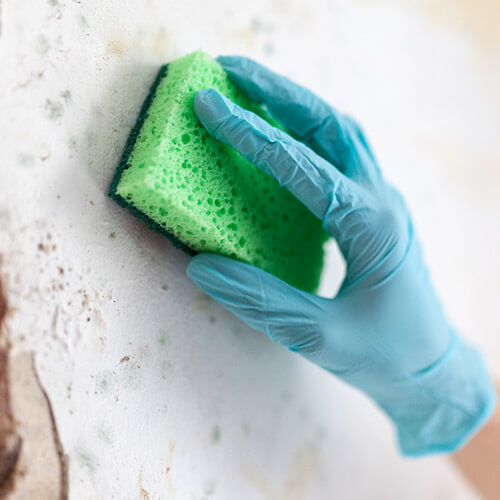
More serious outbreaks may require the application of elbow grease in addition to water. Concrete and masonry surfaces often respond well to cleaning with a soft-bristled brush.
While it may be difficult to remove all traces of the surfactant leaching on the first attempt, continued and sustained efforts often result in gradual mitigation of unsightly weep marks.
Surfactant Leaching
How to Prevent It
To avoid the strenuous cleanup process, property managers should strive to avoid creating leaching marks in the first place.
Paint application workers should:
- Avoid painting on humid or damp days.
- Avoid applying paint on days where temperatures dip below 50° F.
- Never paint on the days preceding or following major storms.


.jpg)