




How to Fix Wrinkling on a Painted Wall
Smooth a wrinkled wall with these tips
How to Fix Wrinkling on a Painted Wall
Wrinkled paint can make the walls of a home, apartment or business look unsightly and can make it feel less welcoming than a smooth, even coat of paint. Learn how to identify, prevent and fix wrinkled paint.
What Causes It?
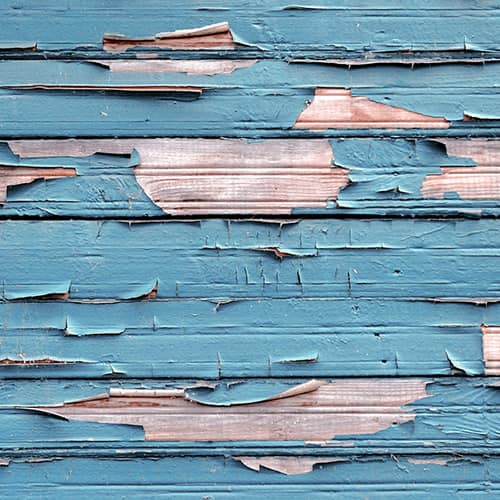
Wrinkling Paint
Identifying the causes of wrinkled paint is the simplest way to avoid it in the future.
Wrinkling usually affects walls that have been painted several times and occurs when the top layer of paint doesn't cure properly.
When paint doesn't cure within the recommended amount of time, ridges form as the fresh paint bunches up along the surface of the wall, resulting in a wrinkled appearance.


How to Prevent Wrinkling
Creating a Smooth Finish
Smooth paint is designed to have a shiny, satin-like finish, while matte or flat paint has a duller, more subtle finish.
Painting tips:
- If possible, prep the walls and apply primer several days before you plan to paint to give the primer plenty of time to dry.
- Clean the walls carefully while prepping to remove small particles of dust and debris that can prevent your paint from curing properly.
- Avoid painting in very hot, very cold, or very humid weather. Heat and humidity affect drying times, resulting in problems like wrinkled paint.
- Apply several thin, even layers of paint, rather than one thicker layer to obtain a smooth, wrinkle-free finish.
- Allow each layer of paint to dry before applying the next coat.
How to Fix It
Wrinkled Paint
Begin your project by removing the paint from the affected areas of the wall using a paint scraper or another suitable tool, and sand* the surface to create a smooth, clean wall to paint.
Choose the right paint for your home. For example, high gloss paint may work well on drywall, but the same glossy paint may not be suitable for paneling. Read the labels carefully to find the product that is right for your walls.
Once the walls are smooth, follow the painting tips for preventing wrinkling paint.
*WARNING! If you scrape, sand, or remove old paint, you may release lead dust or fumes. LEAD IS TOXIC. EXPOSURE TO LEAD DUST OR FUMES CAN CAUSE SERIOUS ILLNESS, SUCH AS BRAIN DAMAGE, ESPECIALLY IN CHILDREN. PREGNANT WOMEN SHOULD ALSO AVOID EXPOSURE. Wear a properly fitted NIOSH-approved respirator and prevent skin contact to control lead exposure. Clean up carefully with a HEPA vacuum and a wet mop. Before you start, find out how to protect yourself and your family by contacting the USEPA National Lead Information Hotline at 1-800-424-LEAD or log on to www.epa.gov/lead.

.jpg)